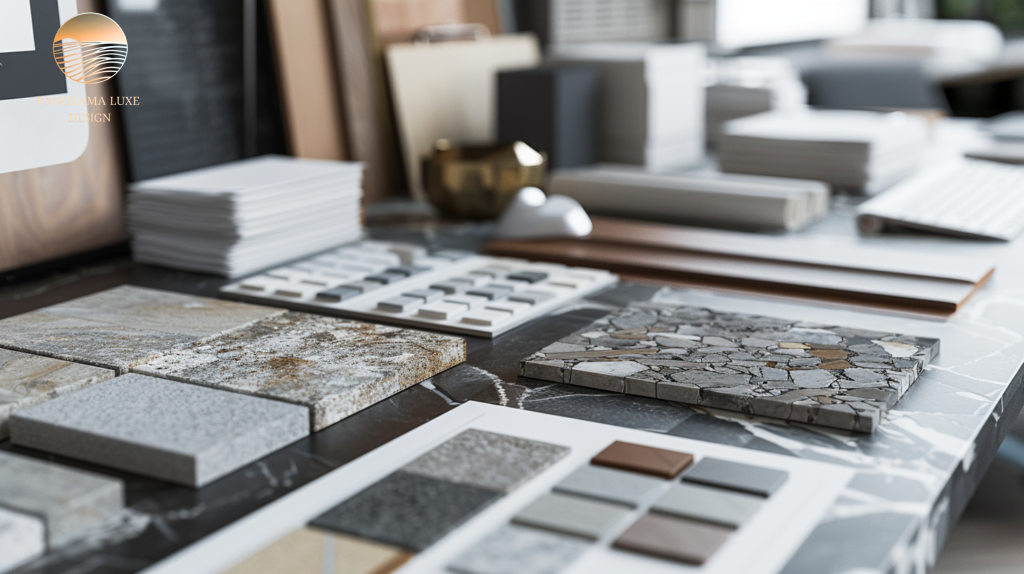
“Luxury” used to mean ornate detailing, rare materials, and visual excess. Today, modern luxury interior design is defined less by display and more by discipline: restraint, proportion, performance, and a highly curated material story. The result feels effortless—but it’s built on rigorous decision-making.
For homeowners, architects, and developers, this matters because the market has matured. Clients recognize quality. They notice how a space functions at 7:00 a.m., how it sounds at 9:00 p.m., and how it photographs without gimmicks. Modern luxury is not a trendy package. It’s an operating system.
Below is a clear, professional definition of modern luxury today based on luxury interior design principles, not alone aesthetics.
1) The Definition: Quiet Authority + High Performance
Modern luxury is the intersection of three things:
- Architectural clarity
Clean lines and strong volumes, with a layout that makes sense. The design doesn’t fight the building; it elevates it.
- Material honesty
Materials are chosen for tactile value, longevity, and how they age—not just their price tag.
- Operational excellence
Lighting, acoustics, comfort, storage, and maintenance are engineered early, not patched later.
This is why the best high-end interior design often looks “simple.” It’s simple because it’s solved.
2) The Core Principles Behind Modern Luxury Interiors
If you strip out styling, modern luxury runs on a few timeless rules.
Proportion over decoration
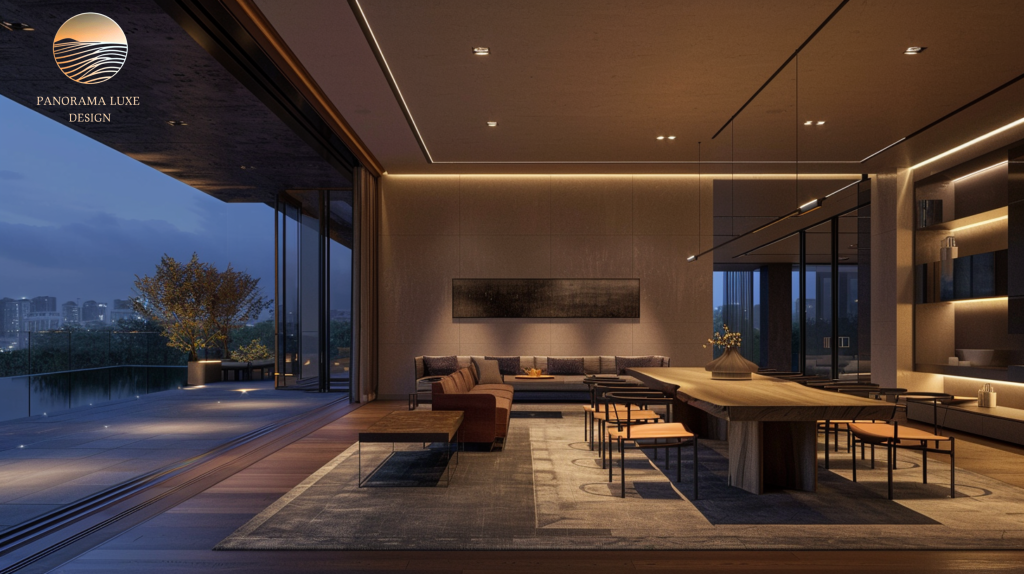
Luxury reads instantly when proportions are right: ceiling heights feel intentional, door scales are coherent, furniture is correctly sized, and negative space is used with confidence. Bad proportion can’t be saved with expensive finishes.
Restraint with purpose
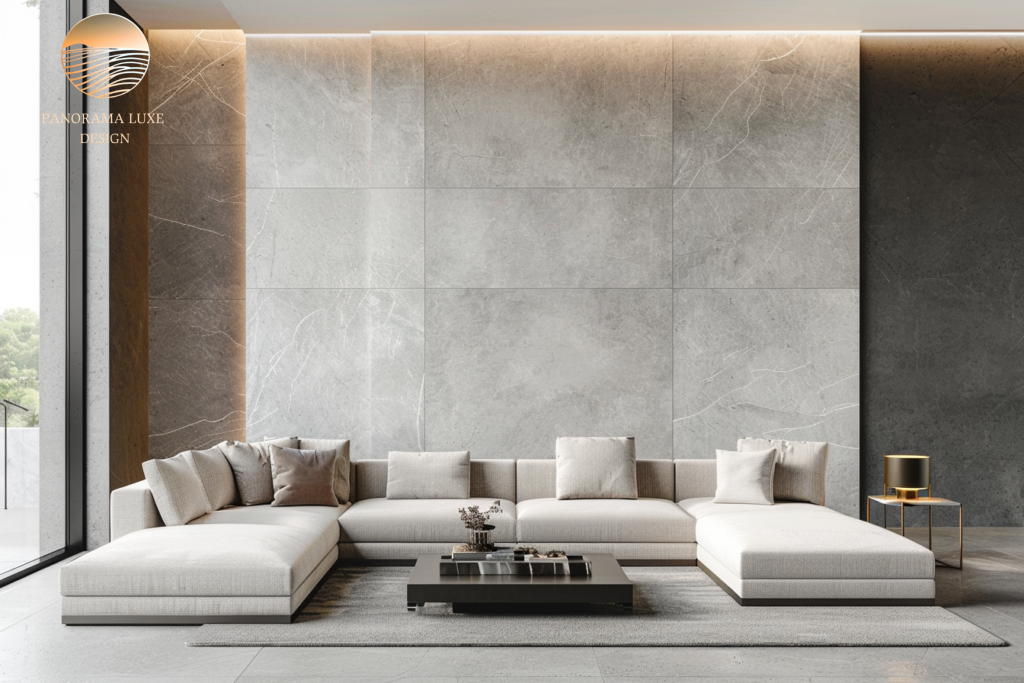
Restraint isn’t minimalism; it’s selectivity. A modern luxury home might use three standout materials across a large space, but each is deployed at the right scale (a full-height stone wall, not a tiny stone accent).
Cohesion across the entire property
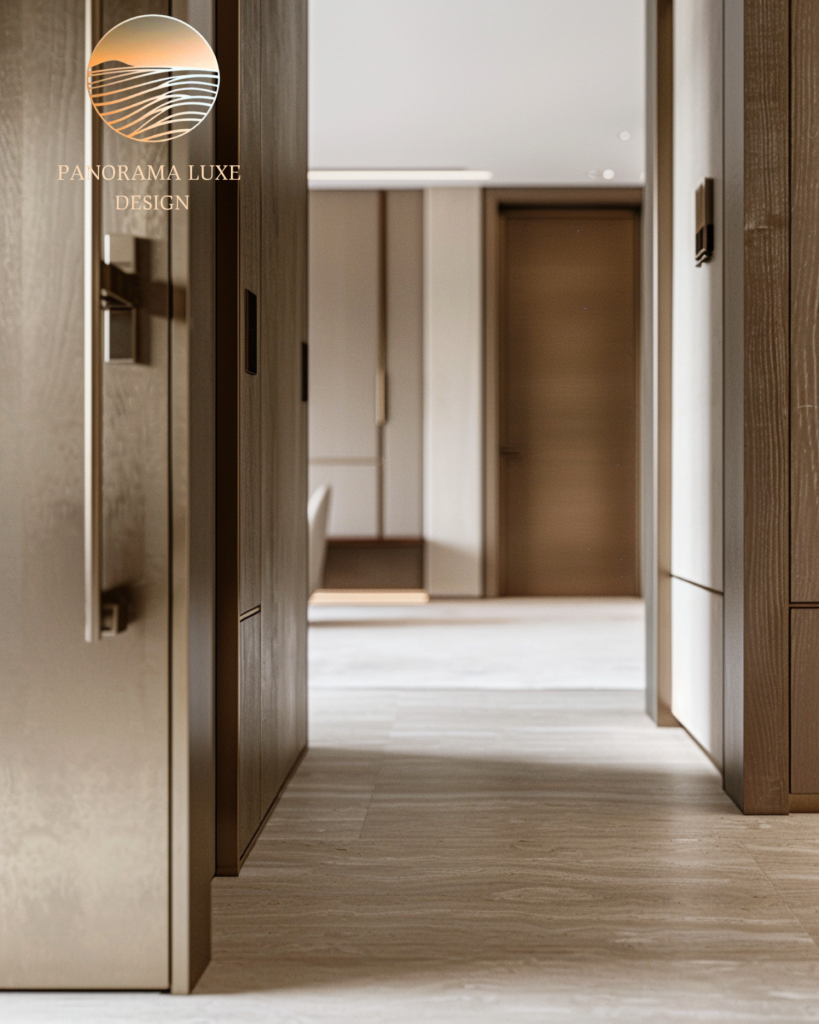
Luxury doesn’t reset every room. It’s a continuous language, materials, tones, hardware, and detailing aligned across public and private spaces.
Precision in alignment and detailing
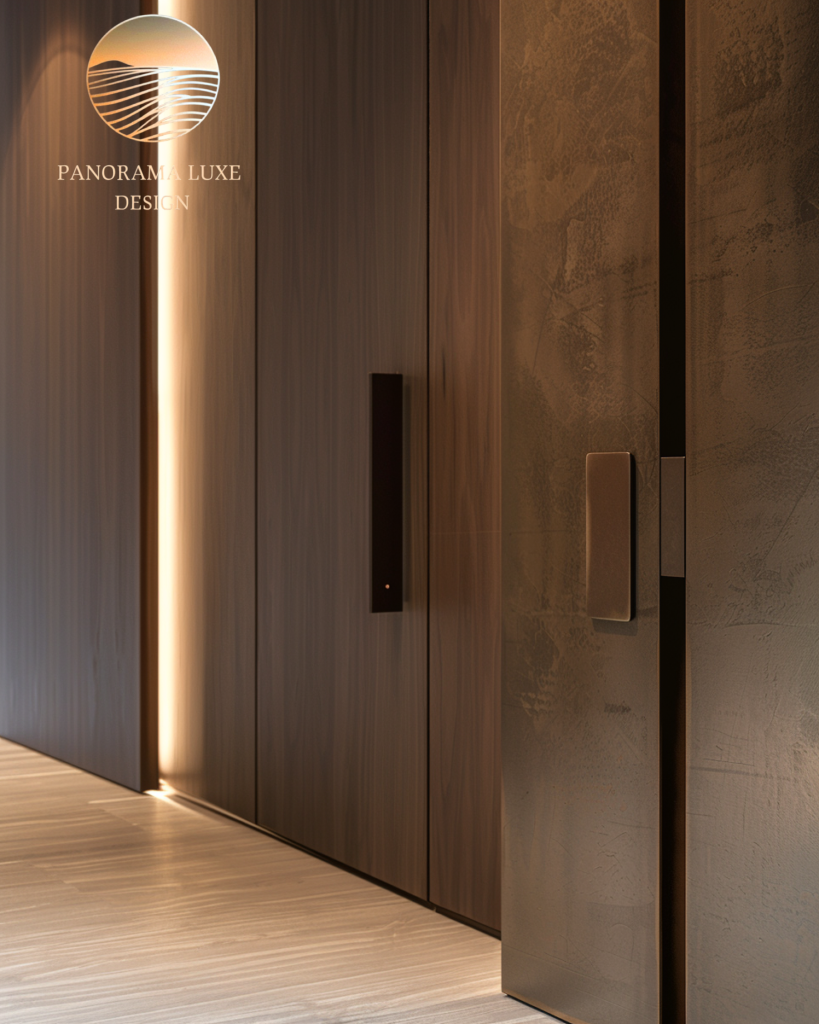
High-end interiors are built on invisible victories: consistent reveals, flush transitions, clean edges, shadow gaps, and millwork that feels architectural. These details don’t scream, but they broadcast quality.
These luxury interior design principles are universal, whether you’re designing a Manhattan penthouse, a London townhouse, a Dubai villa, or a coastal home in the South of France.
3) Material Strategy: Fewer Materials, Better Execution:
Modern luxury materials are not about rarity alone. They’re about performance + feel + aging.
What modern luxury uses, and why
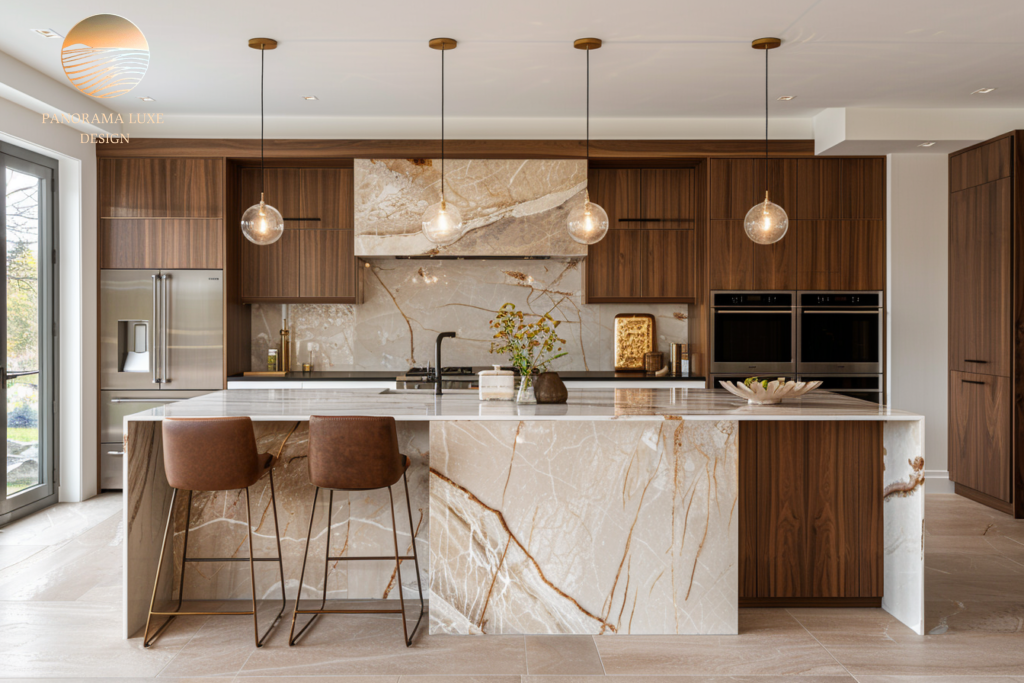
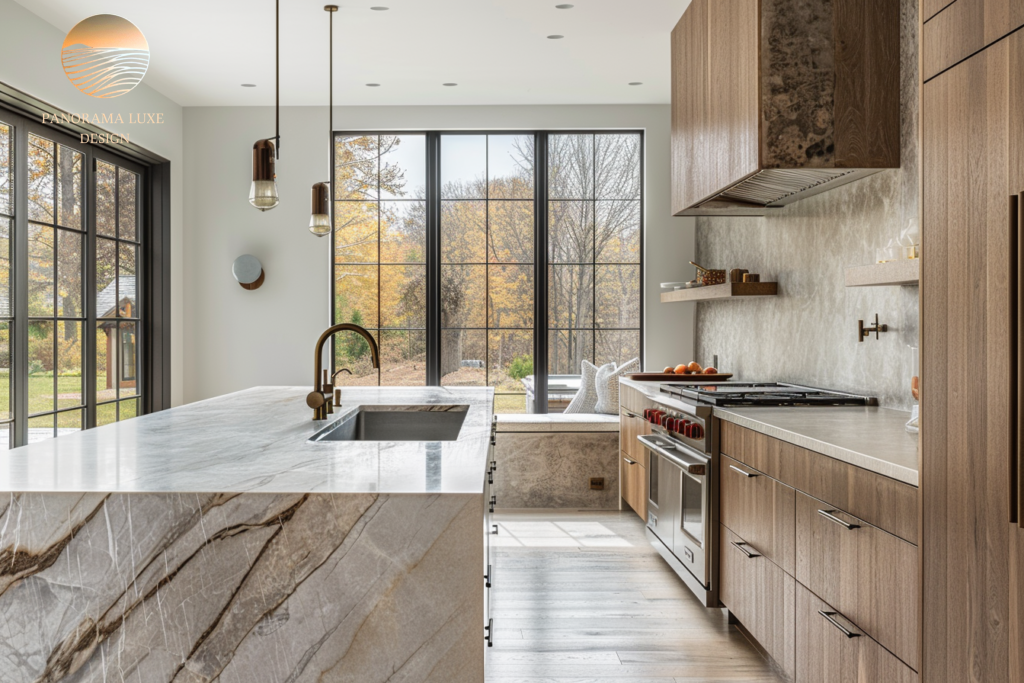
• Natural stone (marble, travertine, limestone, quartzite): chosen for depth, movement, and permanence. Quartzite is popular in heavy-use kitchens because it tends to perform better than many marbles.
• Engineered stone: not “cheap”, often selected for consistency and durability in high-traffic zones.
• Wide-plank wood flooring: the luxury is in the grade, finish, and installation precision, not just the species.
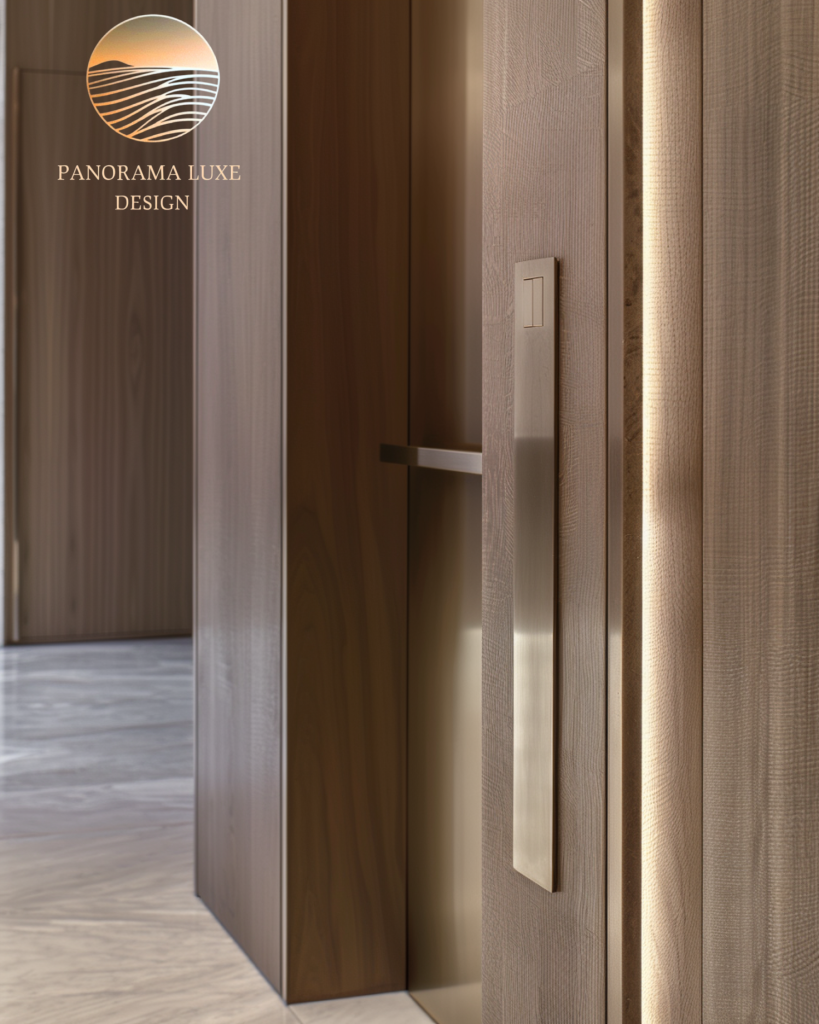
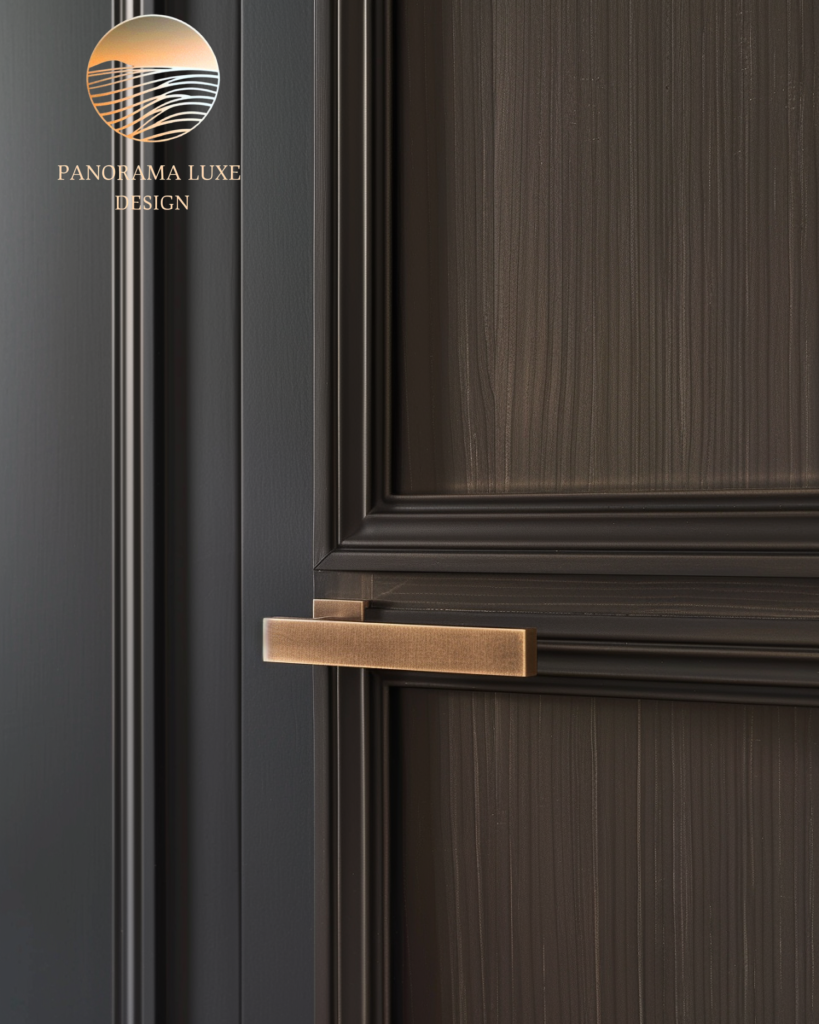
• Metalwork (brass, bronze, blackened steel): used as punctuation, handles, trims, frames, feature lighting, kept consistent.
• Plaster, microcement, and textured wall finishes: for softness, light diffusion, and tonal richness without visual clutter.
• Glass (reeded, smoked, low-iron): for privacy gradients and light control.
• High-quality textiles (wool, linen, cashmere blends): luxury is tactile and acoustic. Upholstery choices can change how a room sounds.
The real luxury move: material continuity
Modern luxury isn’t “feature wall roulette.” It’s continuity: one stone extending from kitchen to pantry, one wood tone used across floors and millwork, one metal finish repeated across lighting and hardware.
Durability is part of taste
A luxury home is not a showroom; it’s a life. Professionals specify materials based on how they handle:
- fingerprints, heat, and staining
- UV exposure (especially in the Gulf)
- humidity (coastal Europe, Florida, etc.)
- maintenance realities (staffed vs. non-staffed homes)
Great design respects how people actually live.
4) Layouts and Planning: Luxury Starts With Space, Not Style:
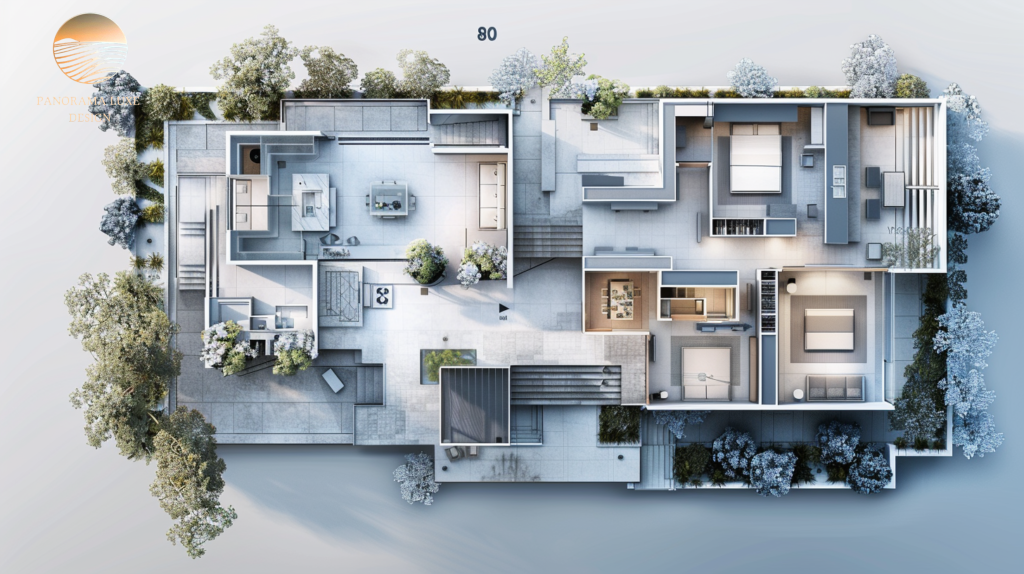
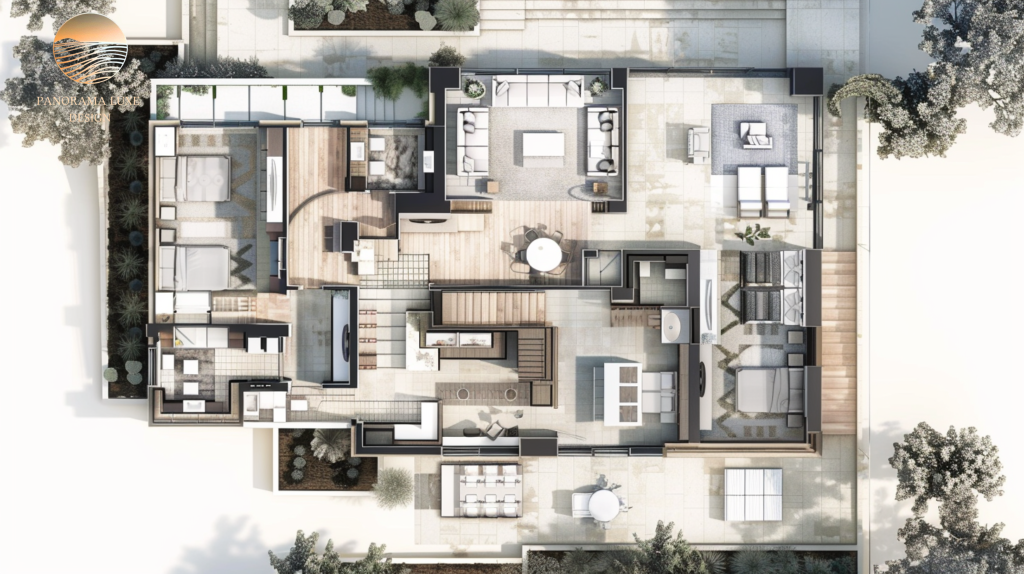
In modern luxury homes, the plan is the product.
Flow that feels inevitable
Luxury planning removes friction:
- logical arrival sequence (drop zone, privacy control, sightlines)
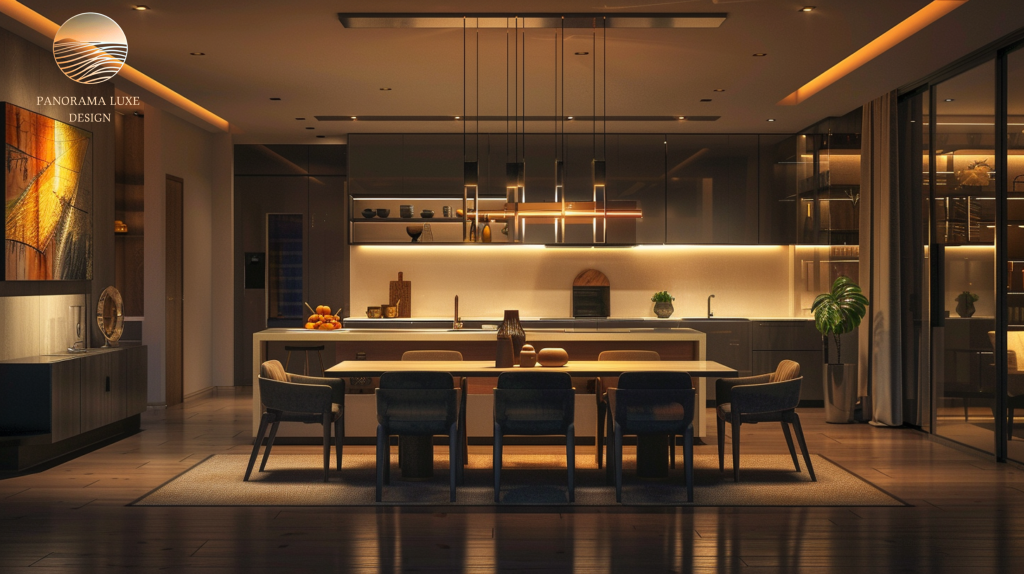
- kitchen adjacency that supports cooking, entertaining, and staff circulation
- bedroom zones that protect quiet and morning routines
- bathrooms planned like wellness suites, not utility rooms
Zoning: public, private, service
- High-end residential planning often follows three layers:
- Public: entry, living, dining, entertaining terraces
- Private: bedrooms, studies, family lounges
- Service: pantry, laundry, staff routes, storage, mechanical access
This zoning is essential in the Gulf and increasingly expected in premium developments in the USA and Europe.
Storage is a luxury feature
Modern luxury hides the mess without hiding the life:
- integrated millwork and concealed doors
- appliance garages and back kitchens (where appropriate)
- wardrobe planning with lighting, ventilation, and proper drawer geometry
- dedicated niches for art, collectibles, and seasonal items
Nothing kills a luxury interior faster than visible clutter and nowhere to put it.
5) Spatial Balance: The “Invisible” Design That Clients Feel
Modern luxury is often felt before it’s understood. That feeling comes from balance.
Negative space is not “empty”
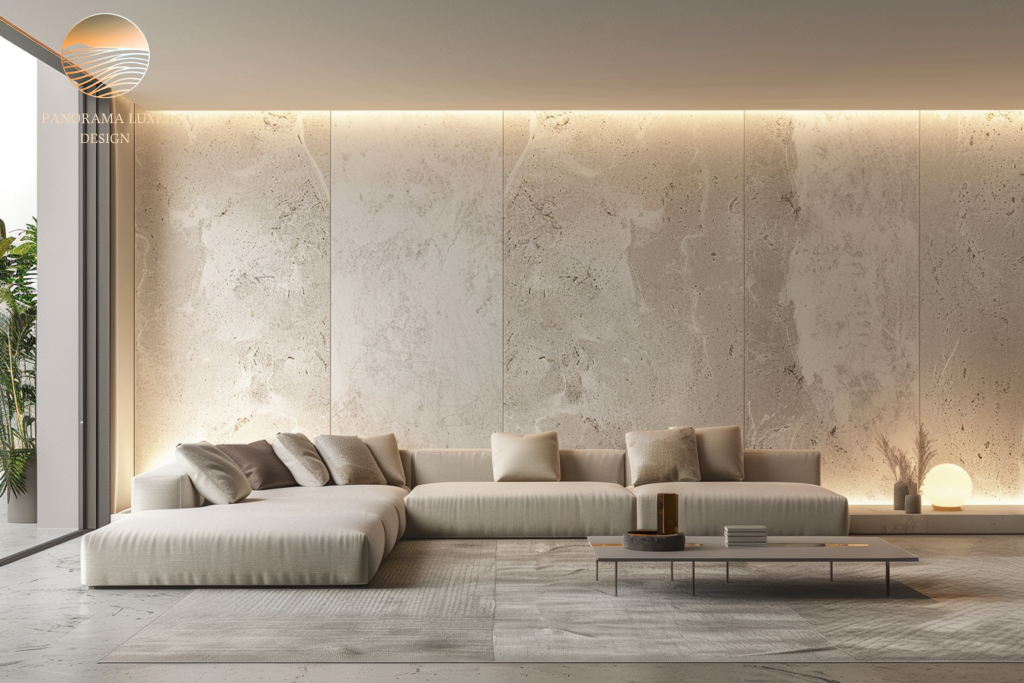
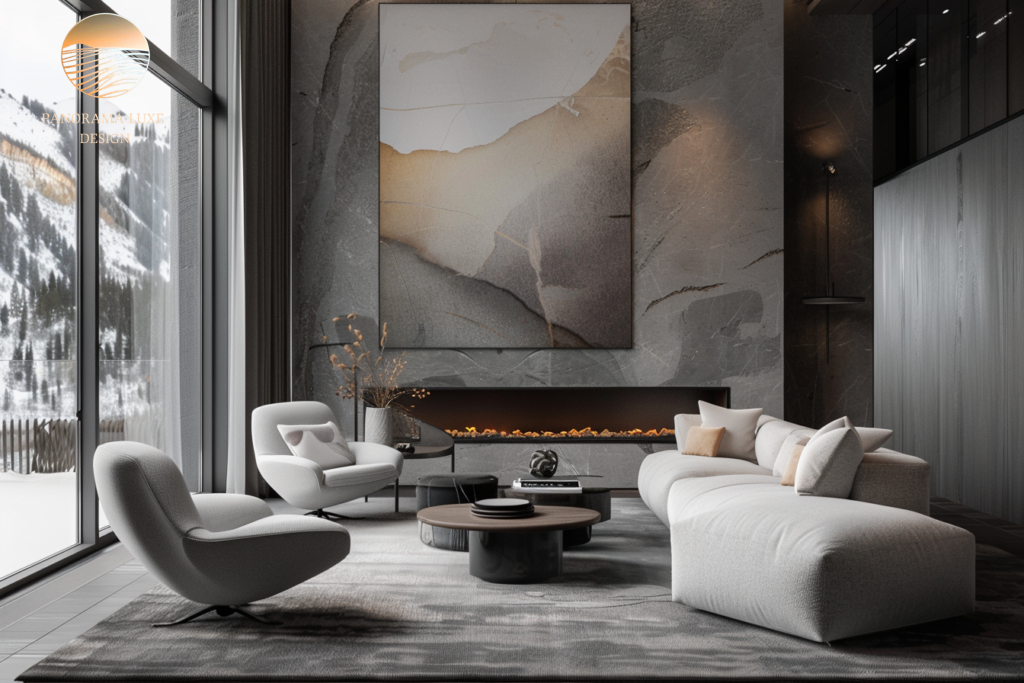
Negative space is what gives expensive elements room to breathe. A stone fireplace wall needs surrounding quiet to feel monumental rather than busy.
Layered depth beats flat decoration
A well-designed room has depth:
- foreground (furniture silhouette)
- midground (textures, rugs, drapery)
- background (architectural planes, art, lighting)
This is why luxury spaces photograph well: the composition is built in.
Scale discipline: bigger isn’t always better
Oversized furniture in an average room reads as amateur. Proper scale reads as bespoke. Luxury designers measure circulation clearances, seating ergonomics, and sightlines with the same seriousness as finishes.
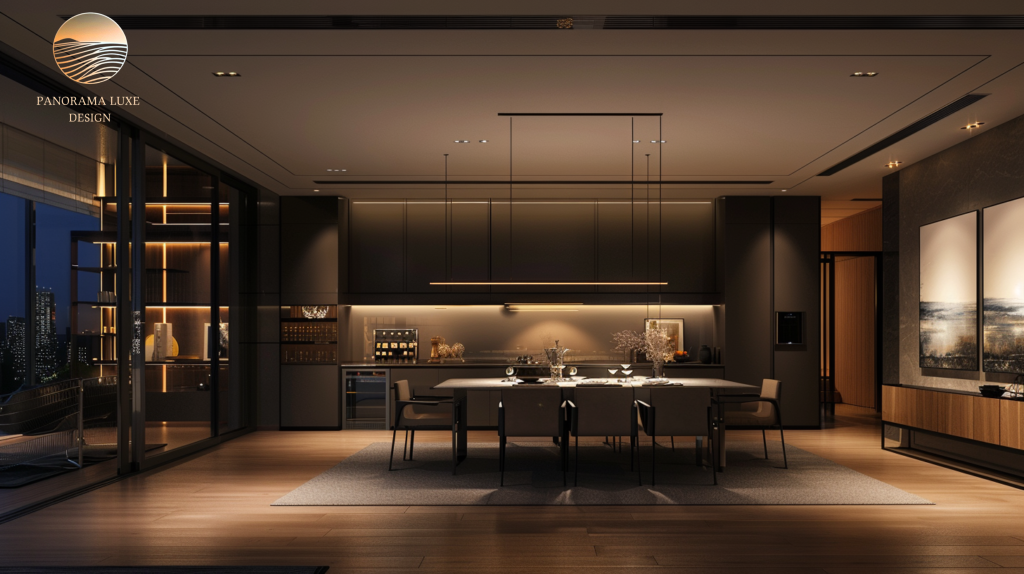
6) Lighting and Acoustics: The Two Luxury Systems People Underestimate
If you want to spot real high-end interior design, look at lighting and acoustics. Most projects fail here.
Lighting: architecture first, decorative second
Modern luxury lighting uses layers:
- ambient: concealed linear, cove lighting, downlights used sparingly
- task: kitchen work zones, vanities, reading areas
- accent: art lights, grazing on textured walls, feature niches
- decorative: statement fixtures that don’t carry the whole room
Good lighting is about control, scenes, dimming, warmth consistency, and glare prevention.
Acoustics: luxury is quiet
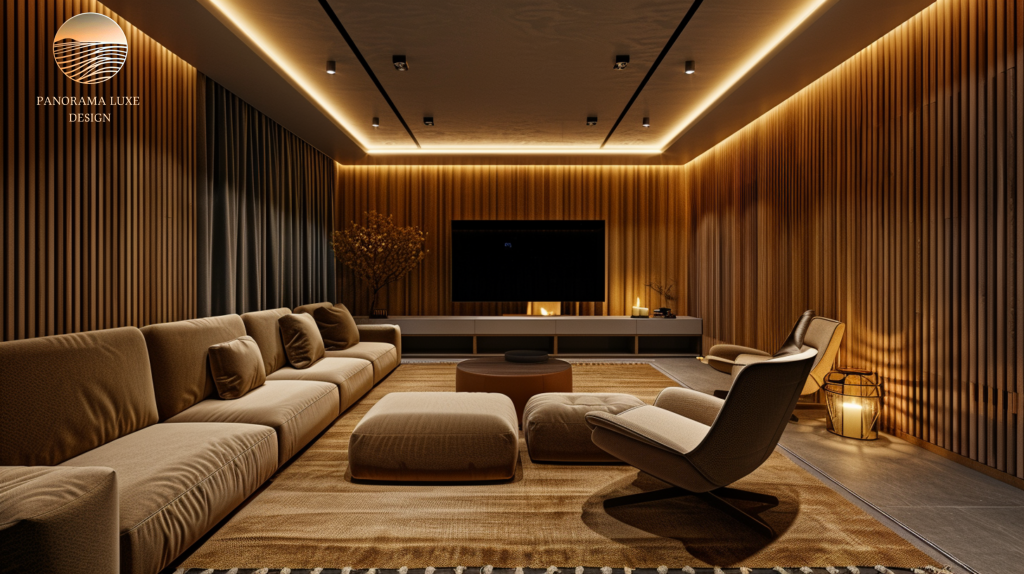
Hard modern surfaces look great, but they can sound brutal. Luxury design solves this with:
- rugs and textiles used strategically
- acoustic backing behind wall finishes
- upholstered panels or micro-perforated wood where appropriate
- thoughtful ceiling treatments in large volumes
A room that looks expensive but sounds like a lobby isn’t luxury.
7) The Professional Mindset: How Luxury Designers Actually Think
Clients often assume luxury is about taste. Taste matters, but the real differentiator is process.
Start with constraints, not inspiration
Luxury interiors are built from realities:
- architecture and structural limitations
- climate and sun paths
- maintenance and staffing
- local codes and supply chain reliability
- timeline, procurement, installation sequencing
A designer who can’t manage constraints will waste your budget on visible items while the invisible fundamentals underperform.
Decisions are made as a system
Modern luxury design is systems thinking:
- layout affects lighting
- lighting affects material selection
- materials affect acoustics
- detailing affects buildability
- buildability affects timelines and cost certainty
This is why high-end projects invest in documentation: reflected ceiling plans, lighting specs, joinery elevations, finish schedules, and mockups.
“Value engineering” is not cutting—it’s prioritizing
True luxury designers protect what matters:
- architectural integrity
- primary touchpoints (handles, flooring, seating comfort)
- lighting quality
- bathroom and kitchen performance
- craftsmanship where the eye and hand go daily
They cut what doesn’t deliver: redundant features, noisy patterns, gimmick materials, and trend-driven add-ons that age poorly.
8) Modern Luxury Across Regions: USA, Europe, Gulf
The definition is consistent, but execution adapts.
- USA: open-plan living still dominates, but modern luxury now adds zoning, privacy control, and better acoustic planning. Kitchens become more professional, often with pantry back-up.
- Europe: heritage architecture meets modern restraint—clean insertions, refined materials, and precision detailing. Space efficiency and craftsmanship lead.
- Gulf: larger scale, stronger hospitality programming, and climate-driven choices. Shading, thermal comfort, stone selection, and lighting control are critical. Privacy gradients and formal entertaining zones often shape the plan.
In all cases, modern luxury is less about style labels and more about standards.
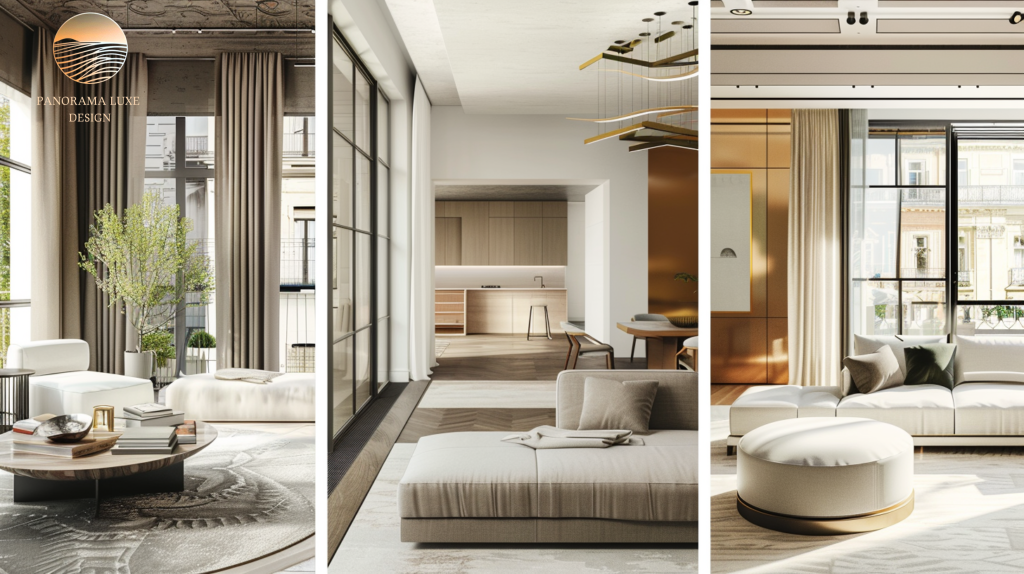
The Bottom Line
Modern luxury interior design today is defined by clarity, restraint, and performance. It’s not a “look.” It’s a method: disciplined planning, material intelligence, precision detailing, and systems-level comfort.
If you want a modern luxury home that holds its value, financially and emotionally, focus on the fundamentals:
- proportion and layout
- material strategy and continuity
- lighting and acoustics
- craftsmanship and documentation
- A professional mindset that prioritizes longevity over novelty
That’s what separates genuinely high-end interior design from expensive decoration.