Introduction: The Transparency Revolution

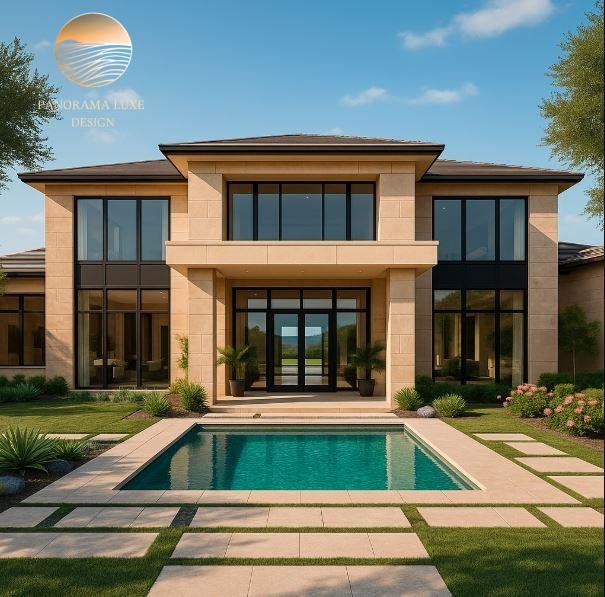
The rise of glass-walled architecture marks a pivotal shift in how we define living space. No longer confined to solid barriers and enclosed volumes, the modern home increasingly embraces openness, light, and a direct relationship with the environment. What was once a purely aesthetic gesture, maximizing views, has evolved into a deliberate architectural philosophy: using transparency to shape experience, atmosphere, and well-being.
Beyond the Frame: Redefining Boundaries Between Indoors and Out
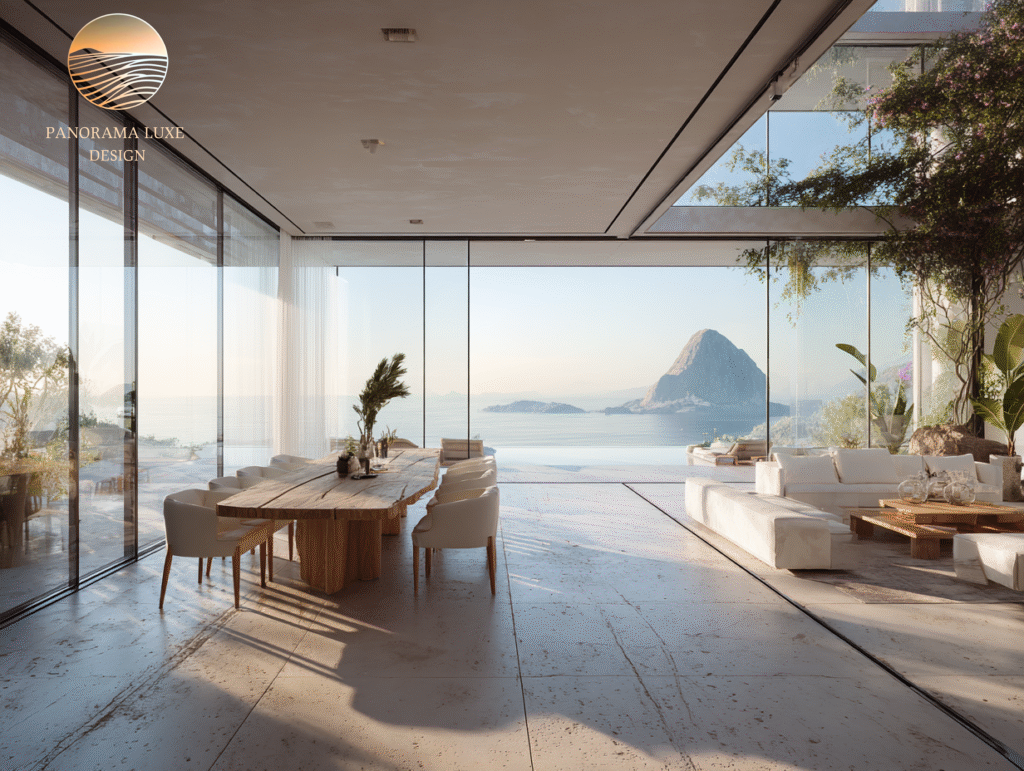
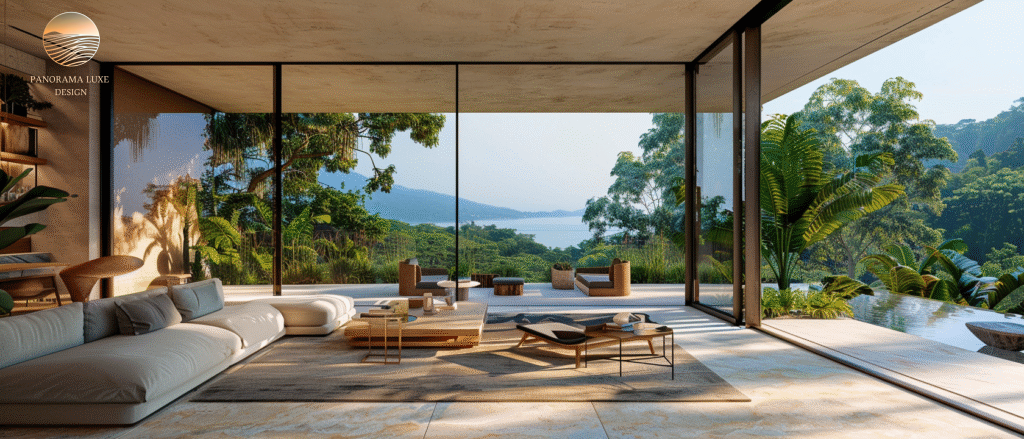
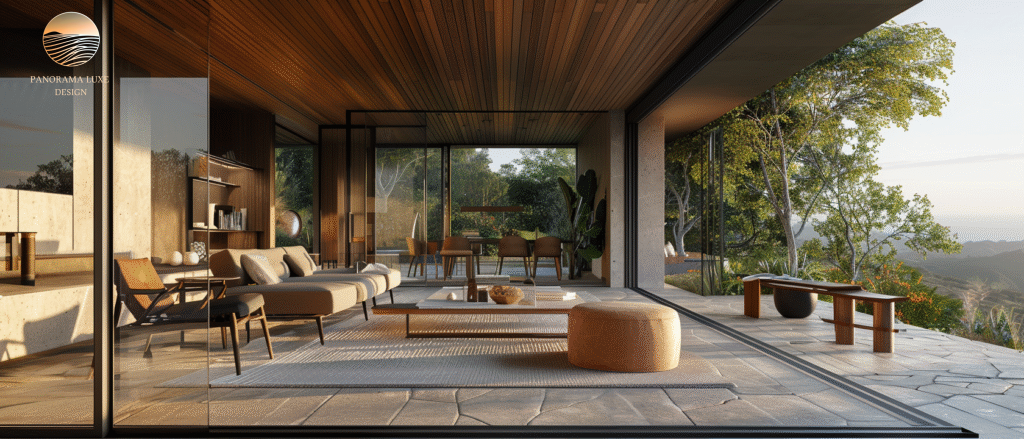
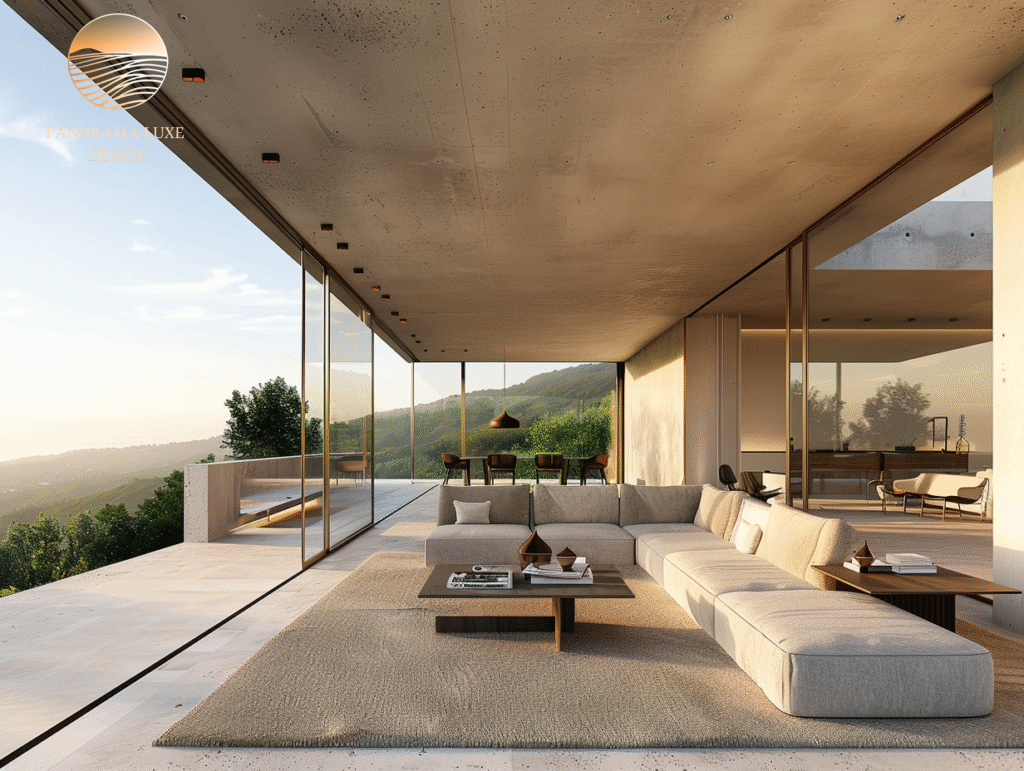
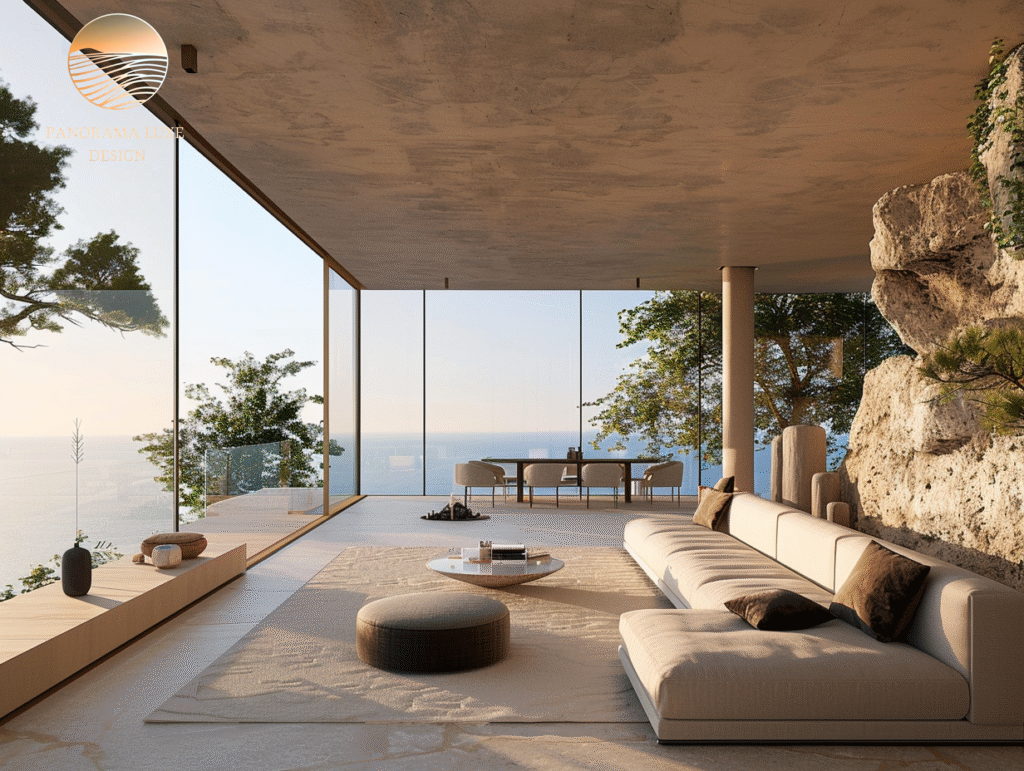
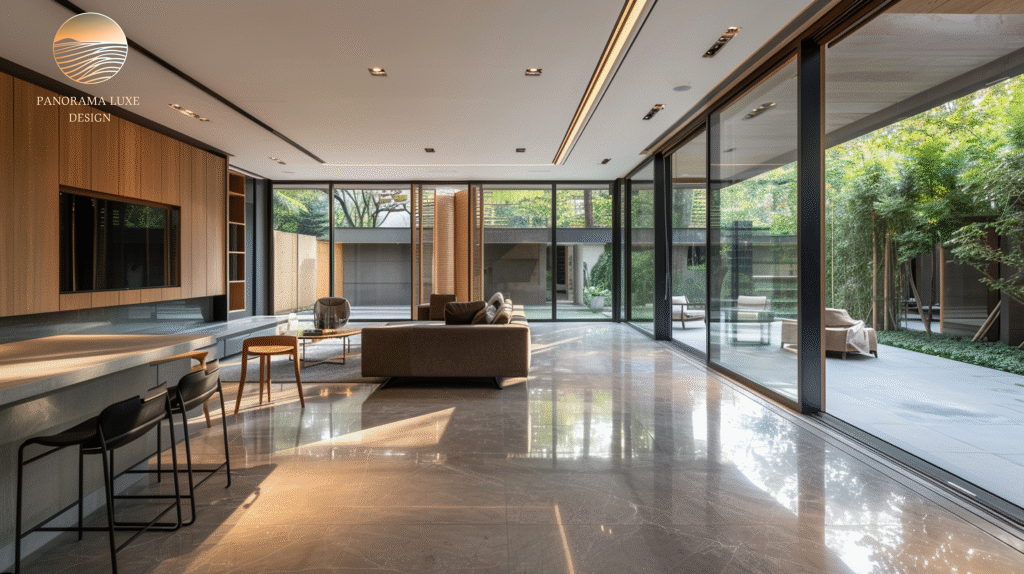
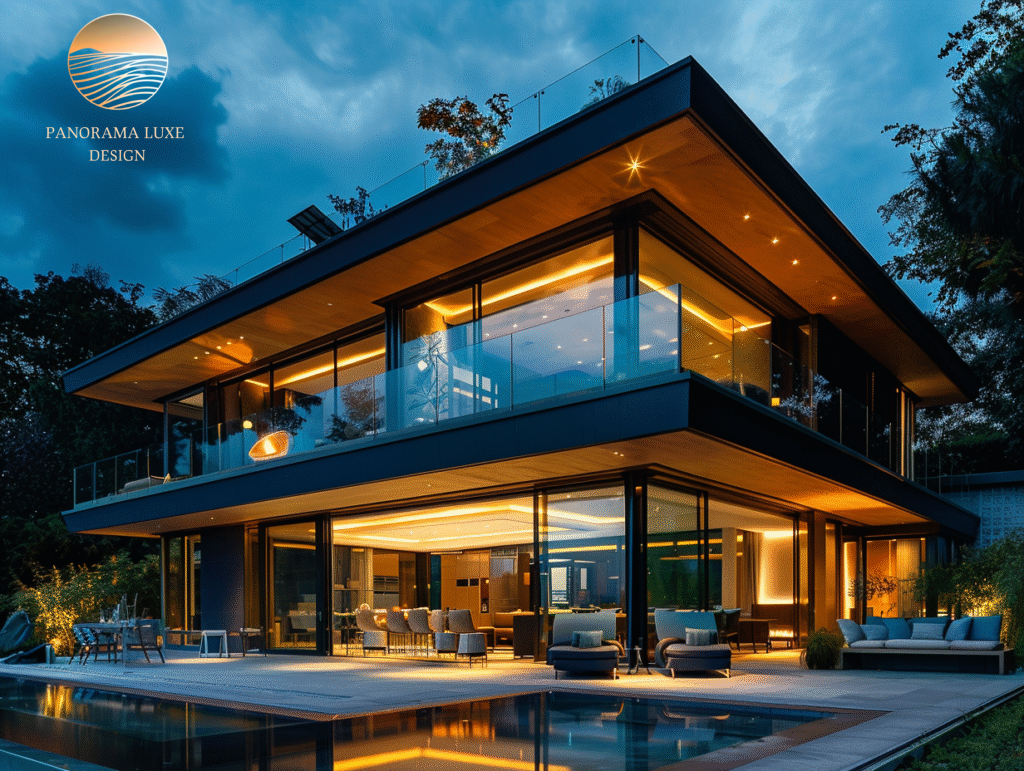
Glass walls dissolve the traditional separation between architecture and landscape. They transform the edge condition of a building from a static barrier into a living interface, one that allows visual and spatial continuity between interior comfort and exterior freedom.

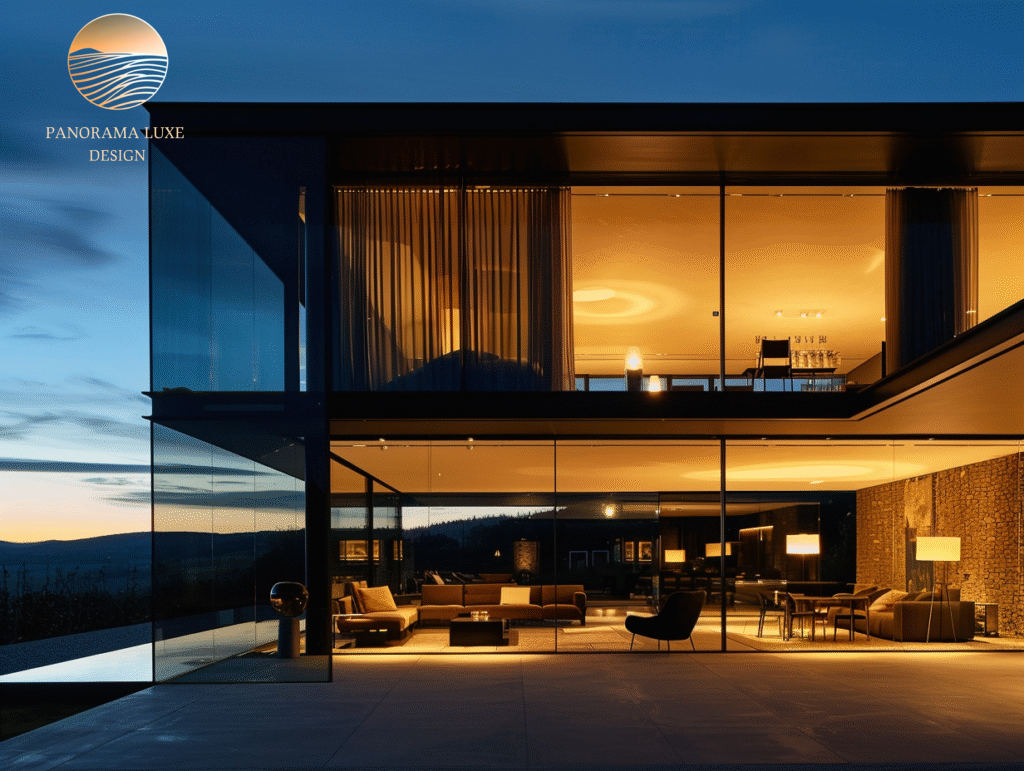
For architects and designers, this continuity expands the usable perception of space. A 100-square-meter living area framed by floor-to-ceiling glazing can feel twice its size, not because of its footprint, but because the view extends the interior’s psychological reach. The boundary becomes porous, allowing users to feel embedded within the landscape while remaining sheltered from it.
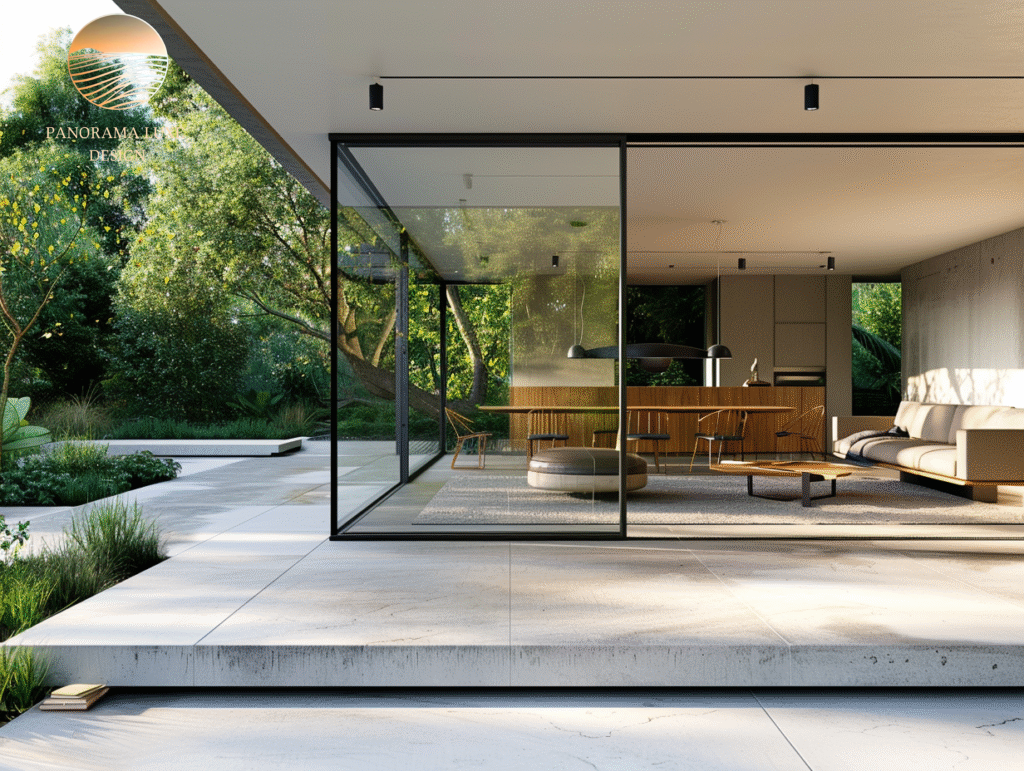
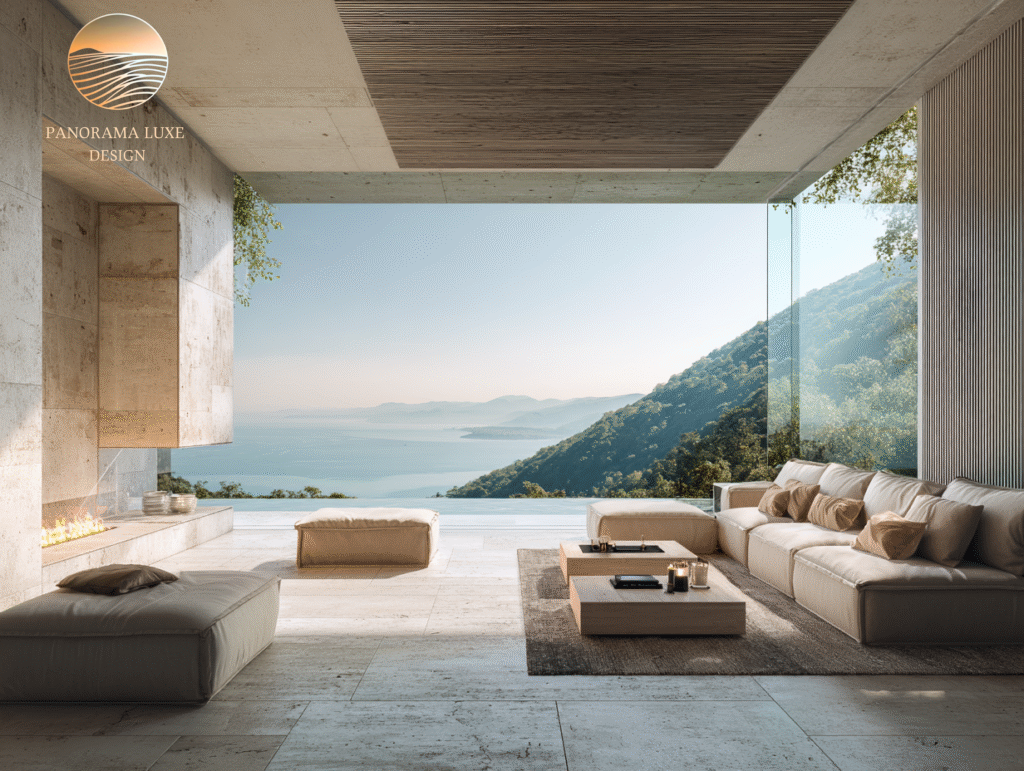
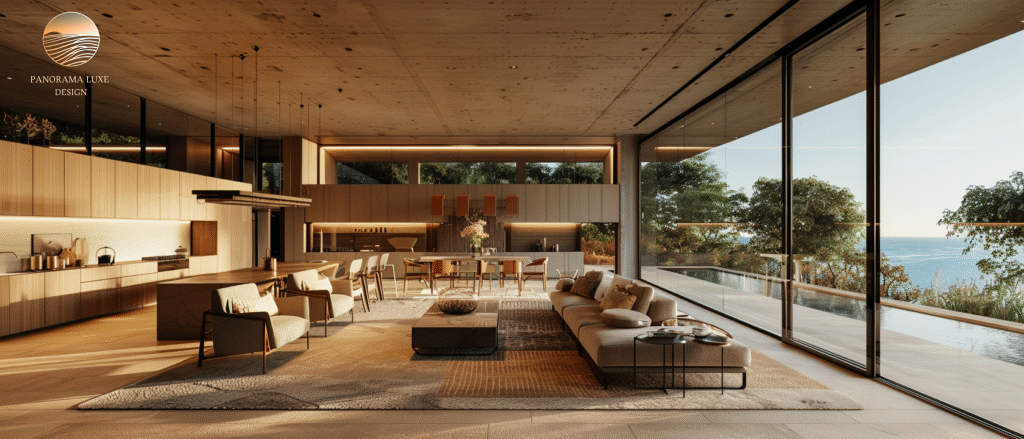
The modern terrace, patio, or pool deck is no longer an add-on; it becomes an extension of the living space, unified through a transparent enclosure. This seamless flow defines the architectural language of contemporary homes in climates from California to Copenhagen.

Light, Flow, and the Emotional Geometry of Space
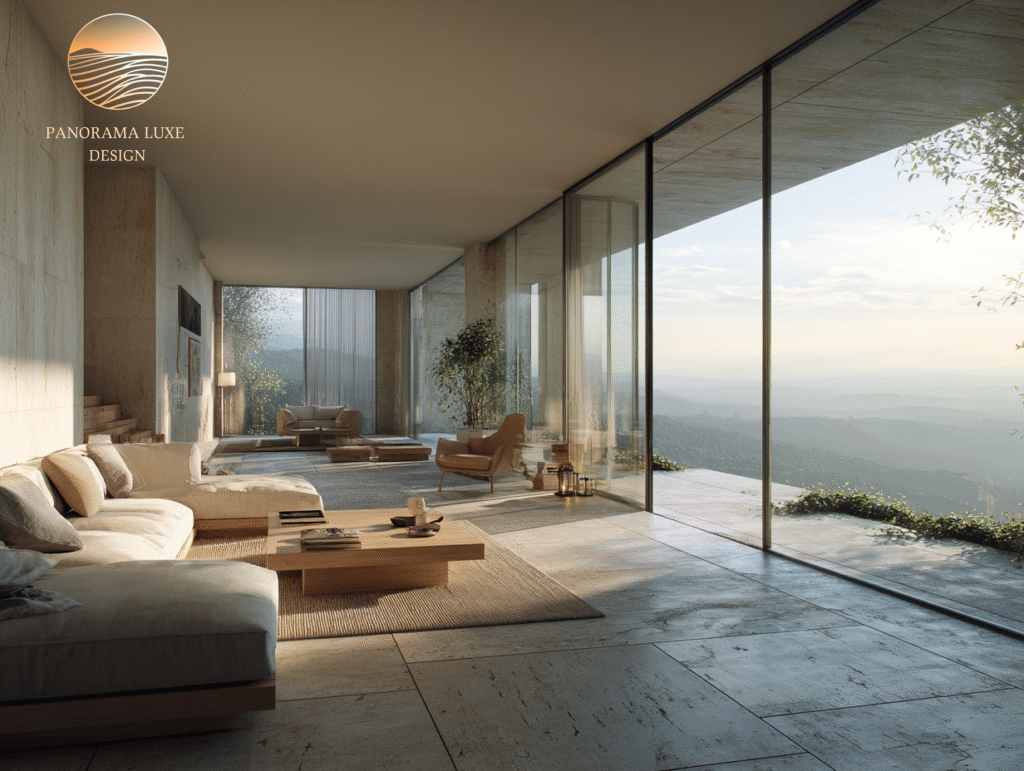
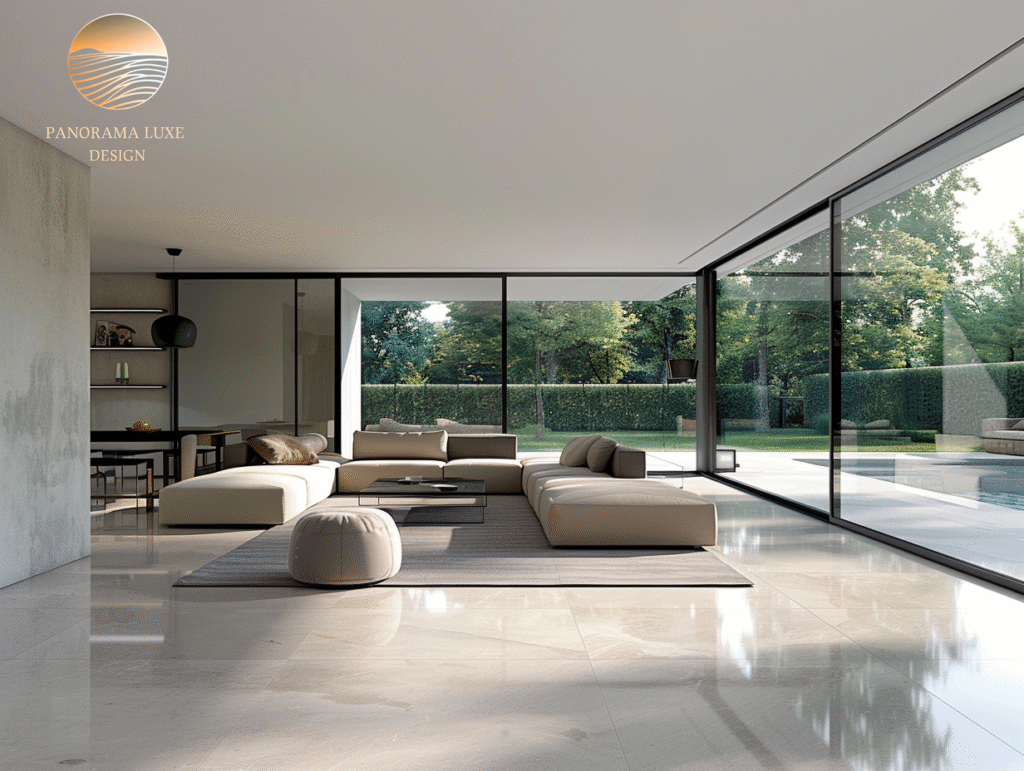
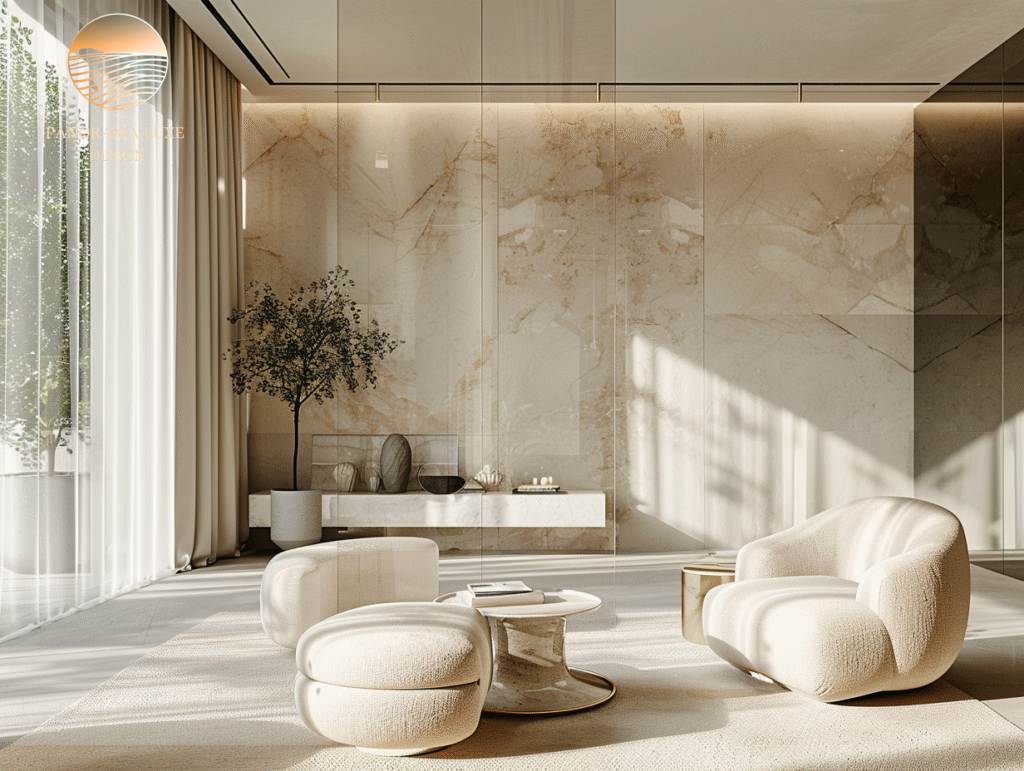
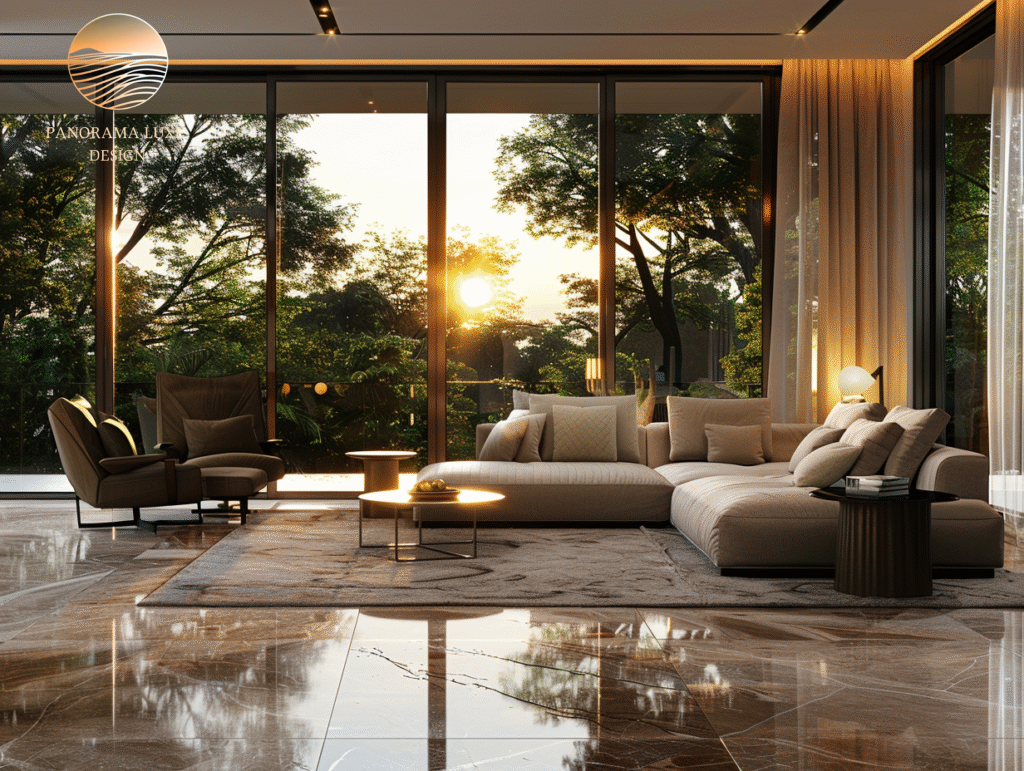
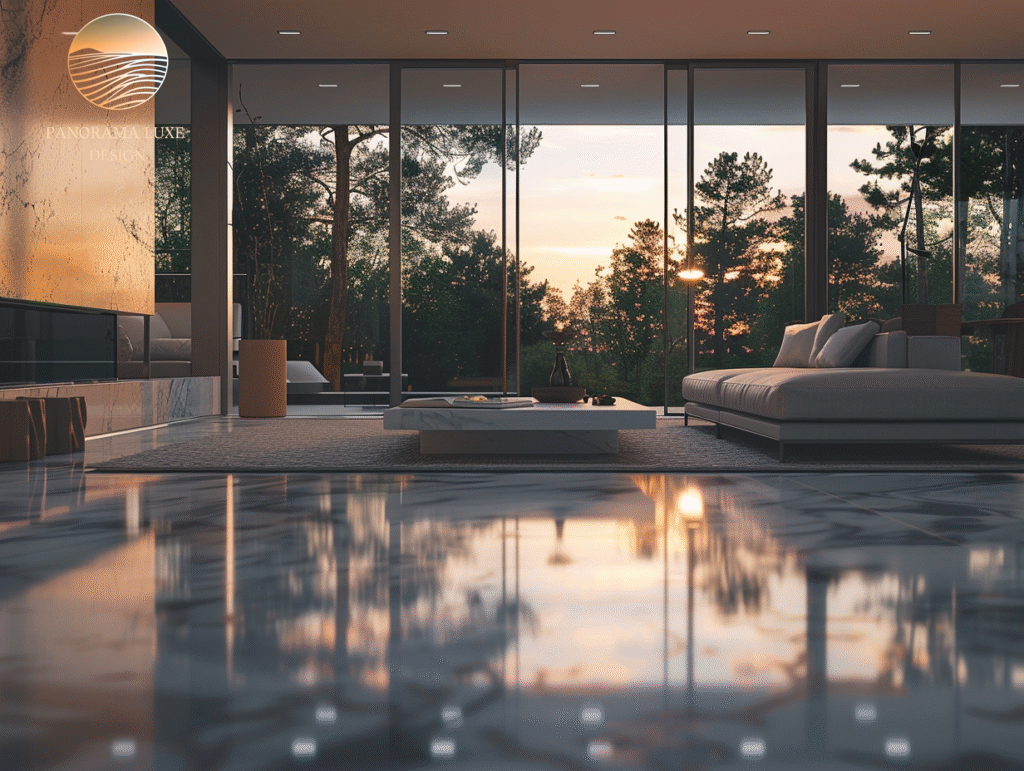
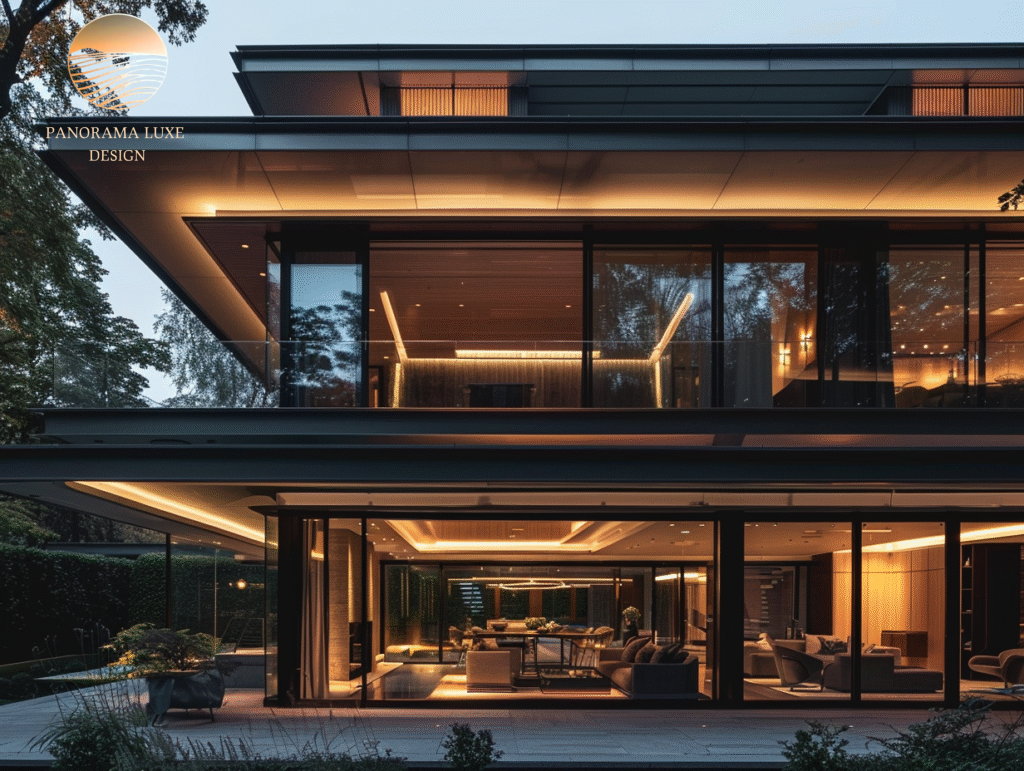
Light is both material and mood. Glass walls enable architects to sculpt it with precision. Daylight gradients, reflections, and shadows animate interiors throughout the day, turning static spaces into living environments. The result is a dynamic spatial rhythm, something stone, brick, or plaster could never offer.
This transparency also alters movement and perception. With fewer opaque partitions, circulation flows naturally, guided by light rather than walls. Visually connected zones promote interaction and awareness; one can see and feel the entire home’s composition at once. Psychologically, such openness fosters calmness, focus, and an expanded sense of freedom.
Structural Glass and Energy Intelligence
The aesthetic purity of uninterrupted glass planes is made possible by advanced structural glazing systems, tempered and laminated glass supported by minimal framing or point-fix anchors. These innovations eliminate bulky mullions and allow for clean transitions across surfaces, achieving the “invisible architecture” that defines many high-end residences today.
Yet transparency does not come at the cost of performance. Low-emissivity coatings, argon-filled double or triple glazing, and thermally broken frames maintain insulation without compromising clarity. Electrochromic or smart-glass systems further adapt to solar gain and privacy needs, dimming automatically to control heat and glare.
The result is a synergy between aesthetics and sustainability: homes that feel open and weightless while maintaining high thermal efficiency and energy control.

Balancing Openness and Privacy
The paradox of transparency is exposure. Architects must choreograph visual access as carefully as spatial form. Orientation, landscaping, and layered screening all play roles in maintaining intimacy without forfeiting openness.
Strategic positioning of glass walls, toward private gardens, courtyards, or framed landscape features, ensures that transparency feels curated, not vulnerable. In urban contexts, vertical fins, translucent panels, or adjustable louvers provide adaptability across changing conditions.
Privacy, in well-considered design, becomes a gradient rather than a wall: selectively revealed, dynamically controlled, and always intentional.
Materials and Systems That Shape Modern Transparency
Choosing the right glazing and framing system determines both performance and perception. Key considerations include:
- Glazing Composition: Double or triple glazing with low-E coatings for energy performance; laminated glass for safety and acoustic control.
- Framing Systems: Aluminum thermally broken profiles for slim aesthetics; structural silicone or frameless assemblies for maximal continuity.
- Connection Details: Floor channels, recessed tracks, and flush thresholds that maintain visual purity while ensuring drainage and thermal breaks.
- Integration with Structure: Load-bearing glass fins, tension cables, or hybrid steel-glass systems that maintain strength without visual intrusion.
These details are where design intent meets engineering precision. The goal isn’t just to see through the wall, it’s to make the wall itself disappear.
Harmony Between Architecture, Landscape, and Lifestyle
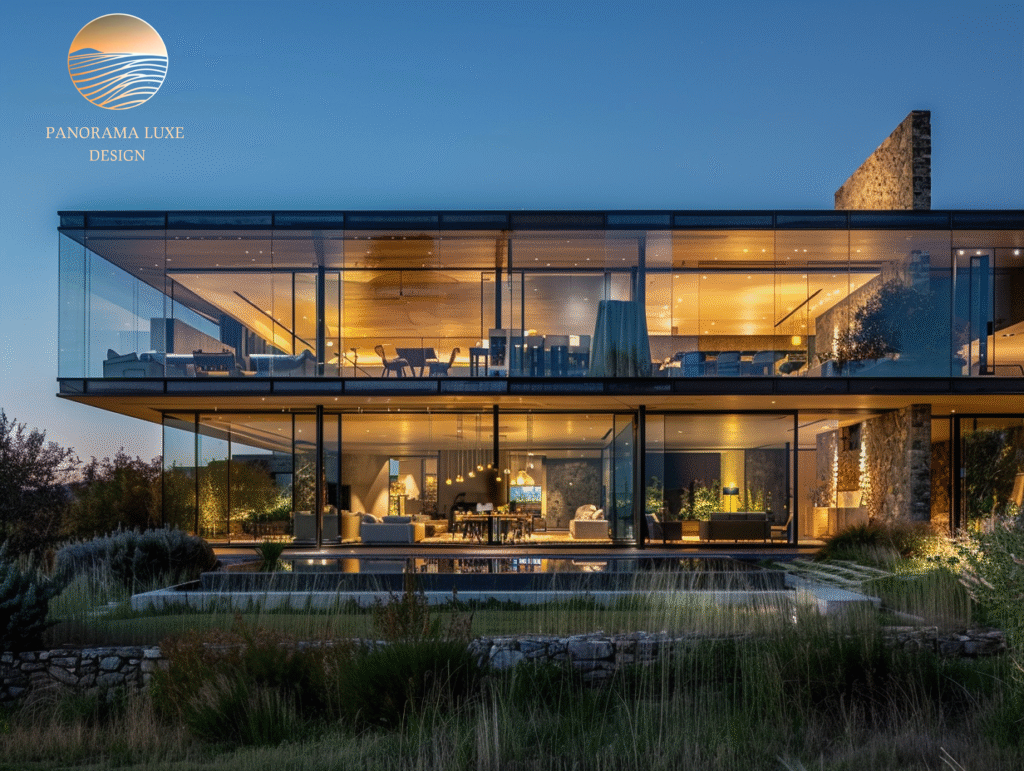
The most successful glass-wall designs are not just technical feats; they are spatial ecosystems. Projects like Olson Kundig’s mountain retreats or SAOTA’s coastal residences exemplify how architecture, topography, and atmosphere converge through transparency.
In these homes, the boundary is so fluid that dawn light, weather shifts, and landscape tones become part of the interior palette. Materials, stone, wood, and metal are selected to resonate with their natural surroundings, blurring the aesthetic divide between built and unbuilt. The result is an architecture that breathes, adapts, and evolves with its environment.
For the homeowner, it’s more than luxury; it’s a recalibration of lifestyle. Transparency fosters mindfulness, awareness, and a daily dialogue with nature.
Conclusion: Living Through the Glass
Glass walls have redefined the architectural experience of the home. They challenge old notions of privacy, enclosure, and solidity, replacing them with light, connection, and sensory richness. When executed with precision and intent, they elevate both design integrity and human experience.
The modern architect’s task is not merely to design a view, but to integrate that view into life itself, through thoughtful detailing, material intelligence, and an unwavering respect for the balance between openness and comfort. Transparency, when done right, is not exposure; it’s liberation.